


National Animal Shelter and Rescue Appreciation Week: Understanding the Dogs, the People, and the Work Behind Adoption

Today through the 7th, 2026 is National Animal Shelter and Rescue Appreciation Week—a time to celebrate the people who help animals find homes and to better understand the challenges of rescue and adoption.
Every year, during the first full week of November, we recognize National Animal Shelter and Rescue Appreciation Week. It's an opportunity to thank the shelters, rescue organizations, volunteers, foster families, and animal care professionals whose compassion and tireless work give animals a chance at a better life.
Appreciation also means understanding the challenges these people and organizations face - and recognizing that finding the right home for a dog isn't as simple as it might seem. You may be surprised to know that many adopted dogs get returned to shelters - some even on the same day they were adopted - through no fault of their own.
As a positive reinforcement dog trainer specializing in fearful, anxious, and reactive dogs, I work with families who have adopted dogs from shelters and rescues, as well as families who purchased dogs from breeders.
Over the years, I've heard some common frustrations about the adoption process.
Two of the biggest are:
"The shelter "lied" to me about my dog's behavior."
"The rescue made it almost impossible to adopt a dog!"
I understand where these feelings come from. Bringing a dog into your family is an emotional experience, and when things don't go as expected, it can be frustrating, disappointing, and sometimes overwhelming.
But there's usually more to the story.

Did the Shelter Really Lie About Your Dog?
When I begin working with a reactive dog, I sometimes hear that the shelter mislead the adopter by not disclosing the dog was reactive. The truth is, most dogs act differently in a shelter environment than they do at home, especially once they realize they are staying in that home.
Maybe the shelter described the dog as quiet and gentle, but now the dog barks at every person who walks past your house.
Perhaps the dog seemed comfortable around other dogs during their shelter stay but now barks and lunges at dogs on walks.
Or maybe the dog appeared calm and easygoing when you first brought them home, only to become increasingly anxious or reactive several weeks later.
It's understandable to wonder whether the shelter knew something they didn't tell you.
But a change in behavior doesn't necessarily mean anyone was dishonest.
In fact, people involved in facilitating adoption - often volunteers - very much want the dogs in their care to find forever homes. They want you to love and keep the dog you adopt for the rest of their life. Misleading potential adopters doesn't support these goals. Not only will shelter workers need to do all the work of getting the dog adopted again if they are returned, the experience can be traumatizing for the dog making it potentially more difficult for them to get adopted by another family.

While it may feel like you weren't told everything about your new dog, it's far more likely the shelter simply didn't have more information to share. A dog may arrive at a shelter after being found wandering the streets. They can't tell the humans what their life's been like so the workers have to base their assessments on what they personally observe. It's also possible a rescue was given information about a dog that was incorrect. Shelters do their best to be transparent about the behavior of the dogs in their care but they simply may not know what the dog's previous home was like or even if they had one at all. They don't know how they act around children, cats or when left alone.
Even when a dog has a known history, their behavior in a shelter or foster home may be quite different from their behavior in their new home. Most shelters and rescues are doing their best to make appropriate matches with limited information, resources, and time.
Of course, organizations have a responsibility to disclose known behavioral concerns and communicate honestly with adopters. Mistakes and poor communication do happen. But it's important not to assume that every unexpected behavior means someone intentionally withheld information.
Here's an example of what can happen. I adopted my beloved girl, Shadow Dawn, from Texas through Gals Best Pals, a truly wonderful organization. Shadow Dawn (at the time Bella Dawn) was being fostered with children and was friendly and happy. As with many southern rescues, Shadow came up to Massachusetts on a truck with other dogs. Unfortunately, she came off the truck a different dog. Many dogs do fine on the truck, but Shadow didn't. She became increasingly reactive toward most things as time went on. Her rescue organization could have no way of knowing that the trip to her new home would be traumatizing for her. It's an unusual outcome.

Why Dogs Behave Differently After Adoption
Dogs are living, thinking, feeling beings whose behavior is influenced by their genetics, environment, experiences, physical health, and emotional state.
A shelter can be an overwhelming place for dogs. There may be unfamiliar people, other animals, unusual smells, constant noise, and unpredictable routines.
Some dogs respond to these conditions by barking, pacing, or becoming highly active. Others become quiet, withdrawn, or inhibited.
A dog who appears calm in a shelter may actually be overwhelmed and shut down rather than relaxed. Once that dog moves into a home, everything changes again. There are new people, new routines, unfamiliar sounds, different expectations, and an entirely new environment to navigate.
As dogs become more comfortable, they may begin expressing behaviors that weren't apparent before. They may become more playful and affectionate, but they may also begin barking at visitors, guarding resources, or reacting to unfamiliar dogs.
This doesn't necessarily mean the dog is getting worse. It may simply mean you're seeing different behavior in a different environment.
You'll sometimes hear people talk about the "3-3-3 rule" of adoption: three days to decompress, three weeks to learn a routine, and three months to settle in.
While this can be a helpful reminder that adjustment takes time, it isn't a scientifically established timeline. Every dog is an individual. Some settle in quickly, while others need considerably more time and support.
Rather than expecting your newly adopted dog to follow a particular schedule, pay attention to what their behavior is telling you.
Give them opportunities to rest and establish predictable routines. Avoid overwhelming them with introductions to lots of new people or dogs. Take the time to allow your relationship to develop naturally.

Why Are Some Dog Rescues So Strict About Adoption?
Another complaint I hear concerns the adoption requirements of smaller rescue organizations.
Some require fenced yards. Others have restrictions involving children, work schedules, previous dog ownership, or the presence of other pets. Applications may be lengthy, references checked, and home visits required.
For someone eager to welcome a dog into their family, these requirements can feel excessive or even unfair.
So why do rescues have them?
Many smaller rescues operate with limited resources and rely heavily on volunteers and foster families. Their goal isn't simply to place a dog in a home—it's to find a home where that particular dog is most likely to succeed.
They may also have firsthand experience with dogs being returned because the placement wasn't a good fit.
For example, a rescue caring for a dog who becomes highly distressed around young children may require an adult-only home. A dog with a history of escaping may need particularly secure containment.
These requirements aren't really judgments about someone's ability to be a wonderful dog parent. They're attempts to reduce the likelihood of another stressful transition for the dog.
I recently saw a Facebook post complaining about a rescue I have worked with and support. The complaint was that they turn down too many applicants. The rescue is Peace, Love & Poms and I am an approved foster for them. If you read my post on these rescued Pomeranians, you may be familiar with Peace. Love & Poms. They work with dogs who have varied experiences of people and do their best to match dogs with families that will be the best fit. Being turned down by them doesn't mean you won't be a terrific dog parent, it means the needs of the dog you want to adopt are such that they need the requirements the rescue insists upon to thrive.

That said, not every adoption requirement is equally reasonable or appropriate for every dog.
A fenced yard, for example, isn't automatically necessary for every dog, and not having one doesn't mean someone can't provide excellent care. If that were true, many apartment dwellers wouldn't be able to have dogs.
Good rescue practices should balance thoughtful screening with flexibility, clear communication, and an understanding that there are many ways to provide a safe, loving home.
Adopters deserve to be treated with respect, too, and it's best when rescues provide detailed reasons why they may turn you down for adoption - especially if it's something you are able and willing to change.

Are Rescue Dogs More Likely to Be Reactive?
This is one of the misconceptions I'd especially like to address. The short answer is: Nope.
Being a rescue dog doesn't automatically make a dog reactive, and being purchased from a breeder doesn't protect a dog from developing reactivity. That's because reactivity is more about dogs trying to exist in human society than it is about whether a dog is rescued or bred.
Reactivity refers to a dog over-reacting to people/things/events as if they are dangerous when they, in fact, pose no danger. Reactive behavior includes barking, lunging, growling, freezing, or struggling to disengage from something in their environment.
Reactivity is not a diagnosis. The behavior doesn't tell us exactly what the dog is feeling. Fear, frustration, excitement, and other factors can contribute to reactive behavior. Some adopted dogs are reactive. Many are not.
Some dogs purchased from responsible breeders are reactive, too.
Reactivity can be influenced by a combination of factors, including:
Genetics and inherited temperament
Early development and social experiences
Fear, anxiety, or frustration
Pain or other medical concerns
Learning history and past experiences
Environmental stress and the dog's ability to cope
It's also important to understand that a dog doesn't have to have experienced abuse or trauma to be fearful or reactive.
When someone tells me their dog is reactive, I sometimes hear, "We think something terrible must have happened to them before we adopted them."
It's possible that a dog has had frightening experiences. I've certainly heard many horror stories about what certain dogs have been through. Without knowing a dog's history, we can't assume mistreatment was the cause of their behavior.
Some dogs are naturally more sensitive to their environments. Others may have had limited opportunities to develop confidence around unfamiliar people, dogs, or situations. And sometimes, even with a loving home and thoughtful socialization, a dog develops behavioral challenges.
Rather than focusing exclusively on what may or may not have happened in the past, I encourage dog parents to look at what their dog needs now.

What If Your Newly Adopted Dog Is Reactive?
First, know that reactivity doesn't mean you've adopted the wrong dog, and it doesn't mean your dog is a bad dog or that the behavior can't change.
It does mean that your dog needs understanding, support, and adjustments to help them feel safe and comfortable. Start by observing your dog. When do they react? What happens before the behavior? What might be making the situation difficult?
Make sure your dog has opportunities for adequate rest, enrichment, and decompression. Avoid repeatedly exposing them to situations that overwhelm them in the hope that they'll simply get used to them.
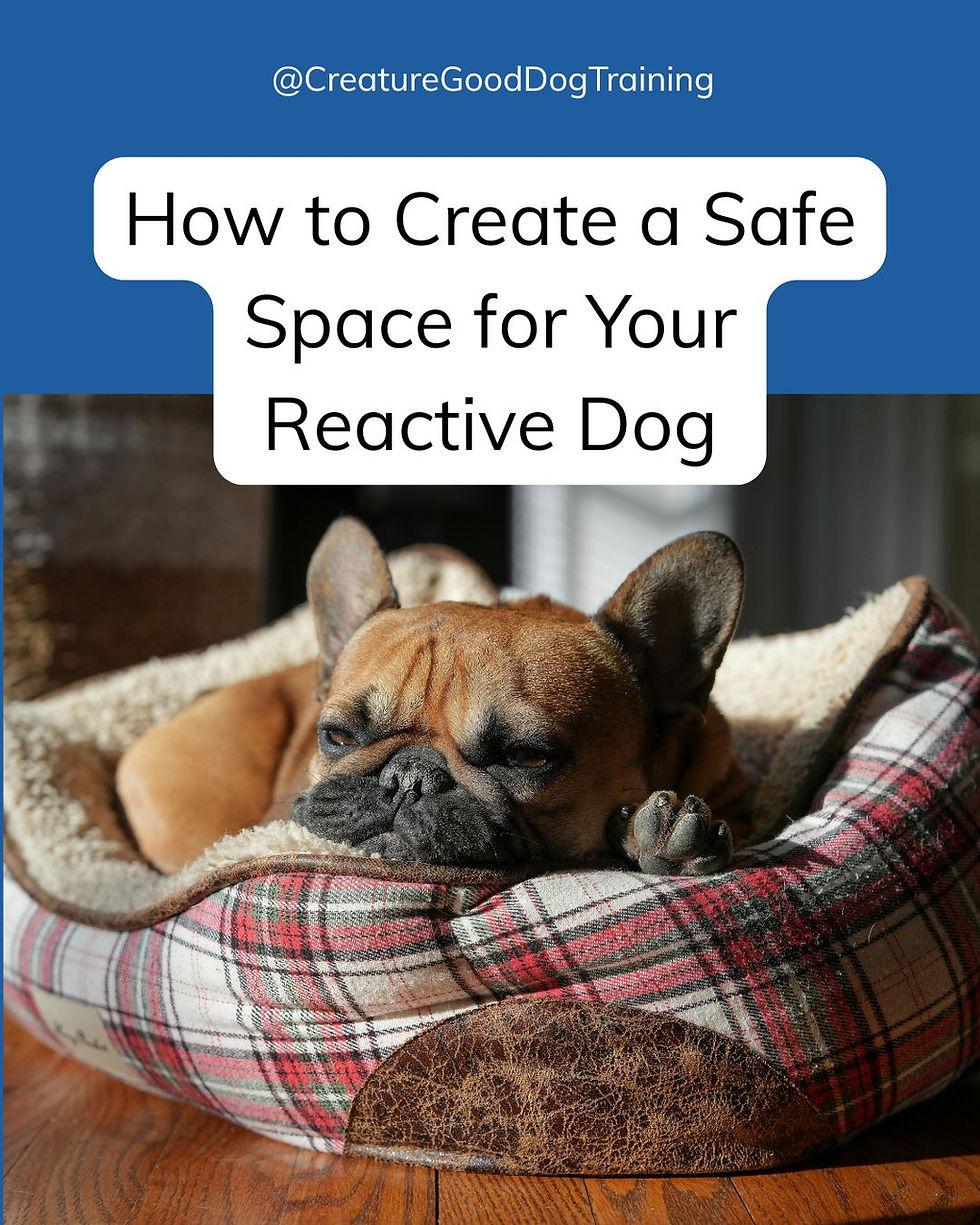
Management is important, too. That might mean walking at quieter times, creating distance from other dogs, or setting up a comfortable space away from visitors.
If your dog's behavior changes suddenly or you suspect pain or another health concern, consult your veterinarian.
And if your dog is struggling, seek help from a qualified, positive reinforcement trainer who understands fear, anxiety, and reactivity. Reactivity recovery is possible with the right type of training and support.
The goal isn't to force your dog to tolerate everything. It's to help them feel safe, build confidence, and learn skills that make life easier for both of you.

How to Support Animal Shelters and Rescues?
National Animal Shelter and Rescue Appreciation Week is a wonderful opportunity to show our gratitude, whether or not we're currently looking to adopt.
There are many ways to help:
Donate: Money, food, cleaning supplies, enrichment toys, and other necessities can make a real difference. Check with your local organization about what they need most.
Volunteer: Shelters often need help with animal care, cleaning, transportation, administrative tasks, and events.
Foster: Providing a temporary home can help a dog decompress and give a rescue valuable information about how the dog behaves in a home environment.
Share adoptable animals: Helping a shelter reach potential adopters can be valuable even if you can't adopt yourself.
Be patient and compassionate: Remember that many shelter workers and rescue volunteers are managing difficult situations with limited resources.
Support responsible adoption practices: Encourage honest communication, individualized matching, and post-adoption resources that help dogs and their new families succeed.
And don't underestimate the value of simply saying thank you to those who dedicate themselves to rescue work.

Every Dog Deserves to Be Understood
At Creature Good Dog Training, one of my core beliefs is that behavior is communication.
That applies to every dog, whether they came from a shelter, a rescue, a breeder, or somewhere else.
When a newly adopted dog begins barking at visitors or reacting to other dogs, it's easy to focus on what went wrong.
But a more helpful question is: What is this dog communicating, and how can we help?
Adoption isn't a guarantee that everything will be easy. Neither is purchasing a puppy from a breeder.
Dogs are individuals, with their own personalities, needs, sensitivities, and ways of experiencing the world.
This National Animal Shelter and Rescue Appreciation Week, let's celebrate the people working to give animals better lives, extend compassion to families navigating the challenges of adoption, and remember that every dog deserves to be understood rather than judged.
Successful adoption isn't just about finding a dog a home. It's about helping that dog and their people build a relationship that works for both of them.

Need Help Understanding Your Dog's Behavior?
Whether your dog recently joined your family or has been with you for years, Creature Good Dog Training offers compassionate, positive reinforcement support for fearful, anxious, and reactive dogs.
Through personalized training and guidance, we'll work together to understand what your dog is communicating and create practical strategies that support both of you.


Comments