


The Importance of Distracting Your Reactive Dog from Triggers

Many dog trainers keep insisting you should never distract your reactive dog when you see one of their triggers. I completely disagree!
I want to expand on something I touched on in this blog post because it’s incredibly important to both your reactive dog and YOU. If you have a reactive dog, you’ve probably heard some trainers say to NEVER distract your dog from their triggers. Instead, take EVERY opportunity to work on desensitizing and counterconditioning your dog.
Yes, at its core, reactivity training is about helping your dog feel safe around the things that trigger their fear response. It’s not a race though. There are times when the best possible choice you can make for yourself and your dog is to opt out of a training moment and distract your dog from a trigger in the moment. Then move on, continuing to decide, case by case, if you will distract your dog or use the sight of a trigger to teach them to feel safe even when they see a trigger.
This may sound counterintuitive, but is actually a powerful part of building calm and confidence. Reactivity training isn’t just about facing triggers, there are several other important issues that need to be addressed as well. Forcing an interaction with a trigger that’s more likely than not to go poorly because your dog isn’t ready or one of you isn’t in the right mindset will set your progress back, not forward. There’s no need to rush the process. Take the time to approach your dog’s reactive behavior holistically and get the long term positive results you want.
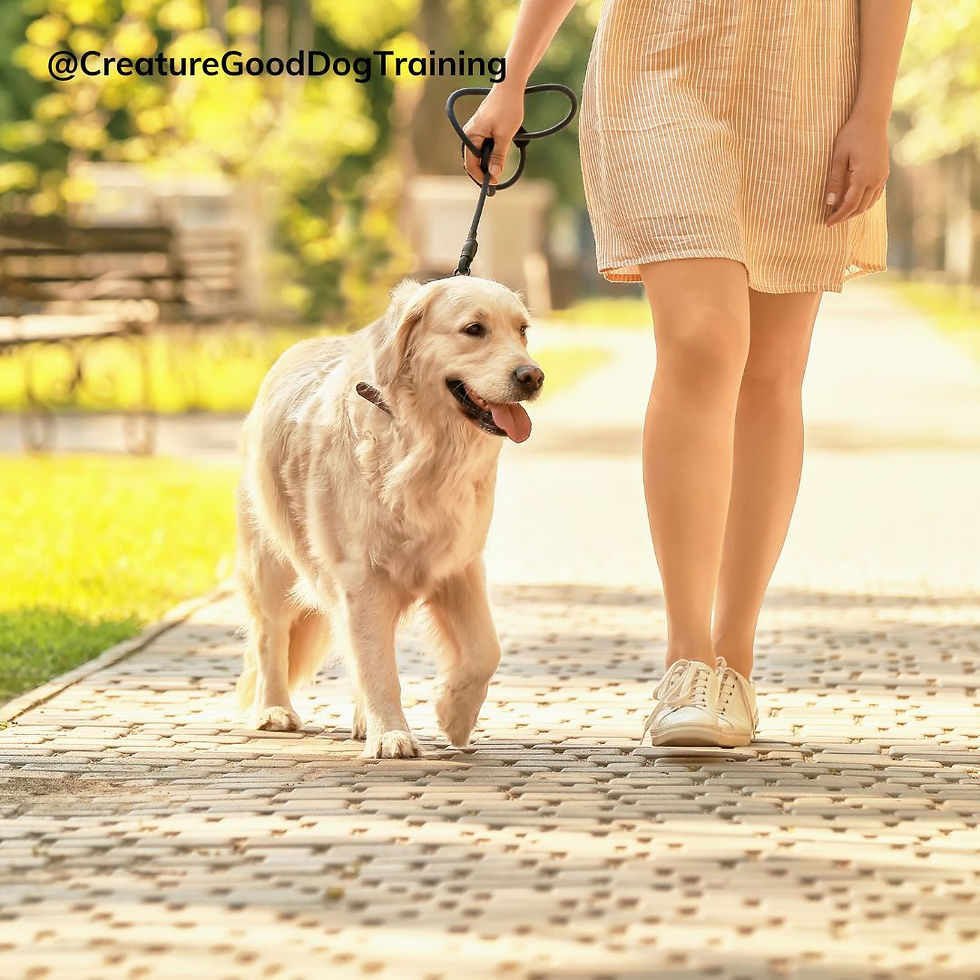
2 Reasons Distraction Can Be Your Best Training Choice
1. Your dog isn’t always going to be in a position to have a successful experience.
There are many variables involved in each trigger encounter. Things like how many triggers your dog has already encountered, the intensity of your dog’s feelings around this particular trigger, how your dog feels and even the weather play a role in whether or not your dog can have a positive experience of a trigger. And that’s just your dog! How you feel and how your day is going also affect the outcome in these situations because your behavior affects your dog’s behavior. When your dog is overaroused or over threshold, no amount of “look at that” counterconditioning is going to work. In these moments, distracting your dog with food, a toy or a fun cue like “let’s go!” can prevent a reactive outburst. Distraction isn’t the opposite of training. Your goal is to avoid negative experiences of triggers which means that either a positive experience or no experience at all due to distraction is a training win.
2. You might not be in the right mindset.
As mentioned above, your thoughts and actions have the power to affect how your dog reacts to a trigger. Training requires patience, focus, and emotional bandwidth. If you’re tired, stressed, or just not feeling capable of calmly supporting your dog, it’s better to take the pressure off by distracting your dog from triggers some of the time. Distraction is a valid choice when when the odds your dog will have a negative reaction are simply too high in the moment.

Distraction vs. Avoidance
Distracting your dog doesn’t mean avoiding training altogether (although avoiding triggers on those tougher days is also completely valid!). Choosing to distract means recognizing that sometimes the cost of trying is higher than the benefit. This work is a marathon not a sprint and building your reactive dog’s courage and confidence is about consistent, positive experiences—not forcing every encounter to be a “teachable moment.”
Think of distraction as a pause or “breather.” By letting your dog disengage from a trigger now, you preserve their ability to succeed later when conditions are better.

Practical Ways to Distract Your Dog During Walks
Food scatter: Toss a small handful of treats in the grass in the opposite direction as the trigger and let your dog sniff them out.
Pattern games: Use simple cues your dog knows well like “touch,” “look,” or “find it,” to redirect focus.
Engagement cues: A cheerful “let’s go!” paired with a turn in another direction is a simple and effective way to move away from triggers.

The Bottom Line
The ultimate goal of training is always to help your dog feel safe around triggers, not to be perfect. Your goal is progress with as few setbacks as you can manage. Reduce the amount of setbacks by going slow and never forcing your dog to face a trigger for the sake of moving forward.
There will be days when the smartest and most compassionate choice is to say, “Not right now,” and keep moving. By using distraction thoughtfully, you protect your dog’s progress, protect your own energy, and set the stage for more successful training sessions down the road.
👉 Looking for more strategies to support your reactive dog? Download From raging to relaxed: Trasform life with your reactive dog using the CHARM Approach where I share my proven holistic process for healing reactivity.


Comments